Formaldehyde.org Home

Category

Industry & Regulation

9 articles

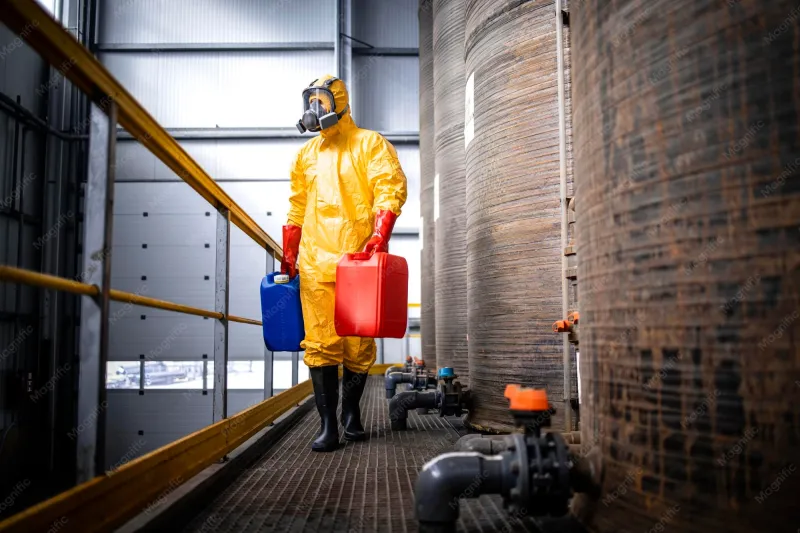
Zero Is Not an Option: The Engineering Limits of Formaldehyde Exposure Control in Modern Chemical Plants

Zero Is Not an Option: The Engineering Limits of Formaldehyde Exposure Control in Modern Chemical Plants

Even the most technologically advanced formaldehyde manufacturing facilities in the United States operate with a difficult truth: despite decades of safety innovation, complete elimination of worker exposure remains beyond reach. Industrial hygienists and plant managers describe a persistent gap between regulatory compliance and the physical realities of chemical production — one that no amount of engineering has yet been able to fully close.

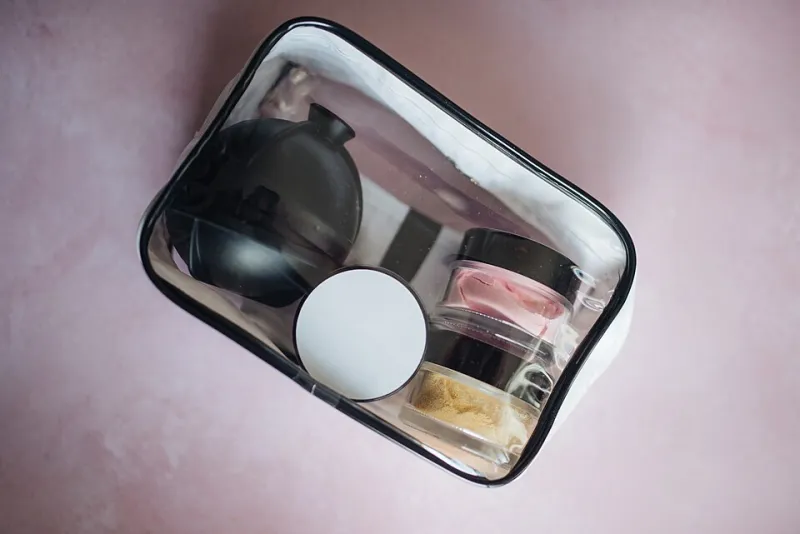
Divided by an Ocean: How US and EU Cosmetic Regulations Treat Formaldehyde Differently — and What That Means for American Shoppers

Divided by an Ocean: How US and EU Cosmetic Regulations Treat Formaldehyde Differently — and What That Means for American Shoppers

While the European Union has moved aggressively to restrict formaldehyde and its chemical relatives in personal care products, US regulators have taken a markedly different path. Understanding why these two major markets have reached such divergent conclusions — and what the underlying science actually supports — is essential for American consumers navigating an increasingly crowded beauty aisle.

When Exposure Becomes Evidence: How Formaldehyde Litigation Is Reshaping Workplace Safety Standards

When Exposure Becomes Evidence: How Formaldehyde Litigation Is Reshaping Workplace Safety Standards

Formaldehyde exposure claims have moved from industrial facilities into federal courtrooms, forcing judges, juries, and scientists to grapple with the gap between regulatory thresholds and real-world health outcomes. From landmark FEMA trailer cases to ongoing healthcare worker litigation, the legal landscape around formaldehyde is evolving rapidly. Here is what workers and employers need to understand about the science, the standards, and the stakes.

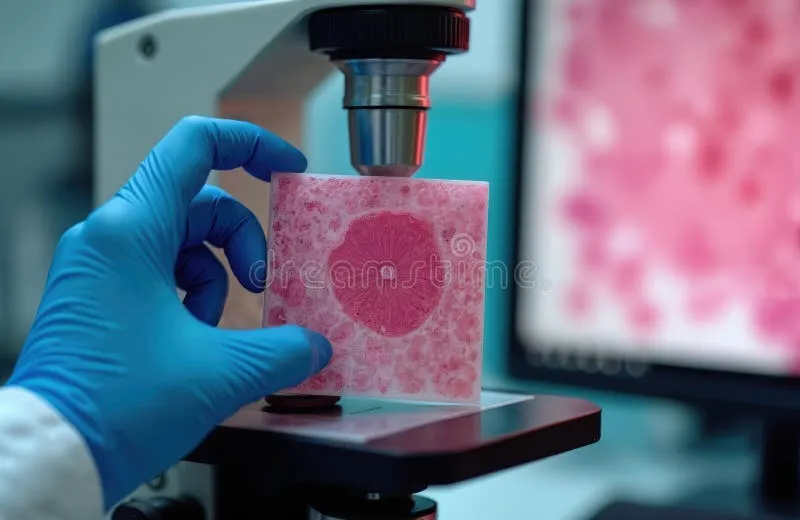
Clinical Necessity vs. Public Anxiety: How Formaldehyde Remains Central to Modern Medicine

Clinical Necessity vs. Public Anxiety: How Formaldehyde Remains Central to Modern Medicine

Despite widespread public concern about formaldehyde exposure, the compound occupies an irreplaceable position in hospitals, pathology laboratories, and vaccine manufacturing facilities across the United States. Medical professionals and researchers consistently argue that the chemistry underlying these applications is both well-understood and carefully controlled. This article examines why the medical establishment has not abandoned formaldehyde—and whether the alternatives are truly ready to s

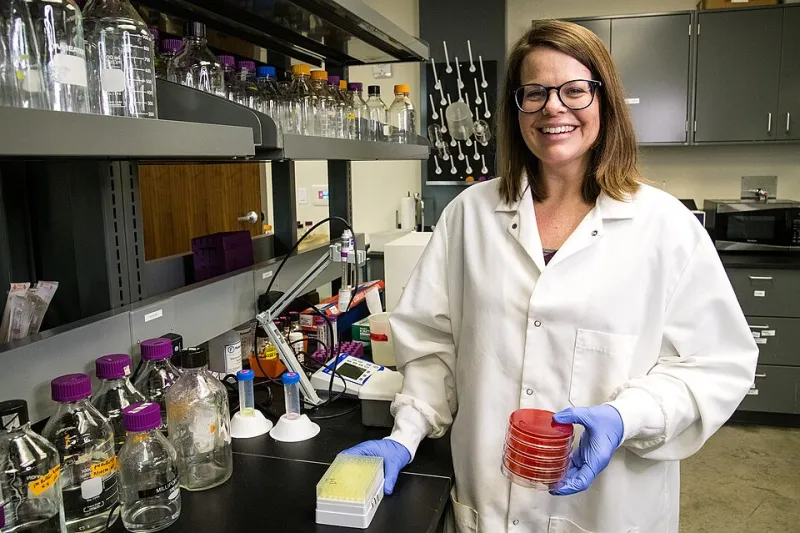
Same Molecule, Two Stories: The Science Behind Formaldehyde's Medical Value and Its Health Risks

Same Molecule, Two Stories: The Science Behind Formaldehyde's Medical Value and Its Health Risks

Formaldehyde has been a cornerstone of medical preservation for over a century, yet the very chemistry that makes it indispensable in pathology labs and transplant medicine also underpins legitimate concerns about occupational and consumer exposure. Scientists are not debating whether formaldehyde is dangerous in isolation—they are wrestling with a far more nuanced question: at what point does a life-saving tool become a meaningful health liability? The latest research is beginning to offer some

What's Really in Your Food? Tracing Formaldehyde From Farm to Table

What's Really in Your Food? Tracing Formaldehyde From Farm to Table

Formaldehyde appears in the food supply through routes most consumers never consider—natural biochemistry, industrial packaging, and processing chemistry alike. Federal oversight from the FDA provides a framework, but scientists and consumer advocates argue that meaningful gaps persist. Understanding where the compound originates and how it is regulated offers a clearer picture of what Americans are actually eating.

Indispensable and Uncomfortable: Formaldehyde's Quiet Role in Saving Lives

Indispensable and Uncomfortable: Formaldehyde's Quiet Role in Saving Lives

Formaldehyde occupies an awkward position in modern medicine: it is simultaneously classified as a known human carcinogen and a cornerstone of pharmaceutical manufacturing, vaccine production, and laboratory pathology. Understanding why this chemical remains so deeply embedded in healthcare—and what regulators and scientists are doing about it—requires a clear-eyed look at both the risks and the irreplaceable functions it serves.

Embalming at a Crossroads: The Funeral Industry Reckons With Its Reliance on Formaldehyde

Embalming at a Crossroads: The Funeral Industry Reckons With Its Reliance on Formaldehyde

For over a century, formaldehyde has been the cornerstone of American embalming practice, preserving the deceased for viewing and final arrangements. Yet shifting regulations, mounting occupational health concerns, and a cultural appetite for greener end-of-life options are forcing funeral professionals to reconsider a chemical dependency that runs deep. This investigation examines how the US funeral industry is navigating that reckoning—and why formaldehyde is proving remarkably difficult to re